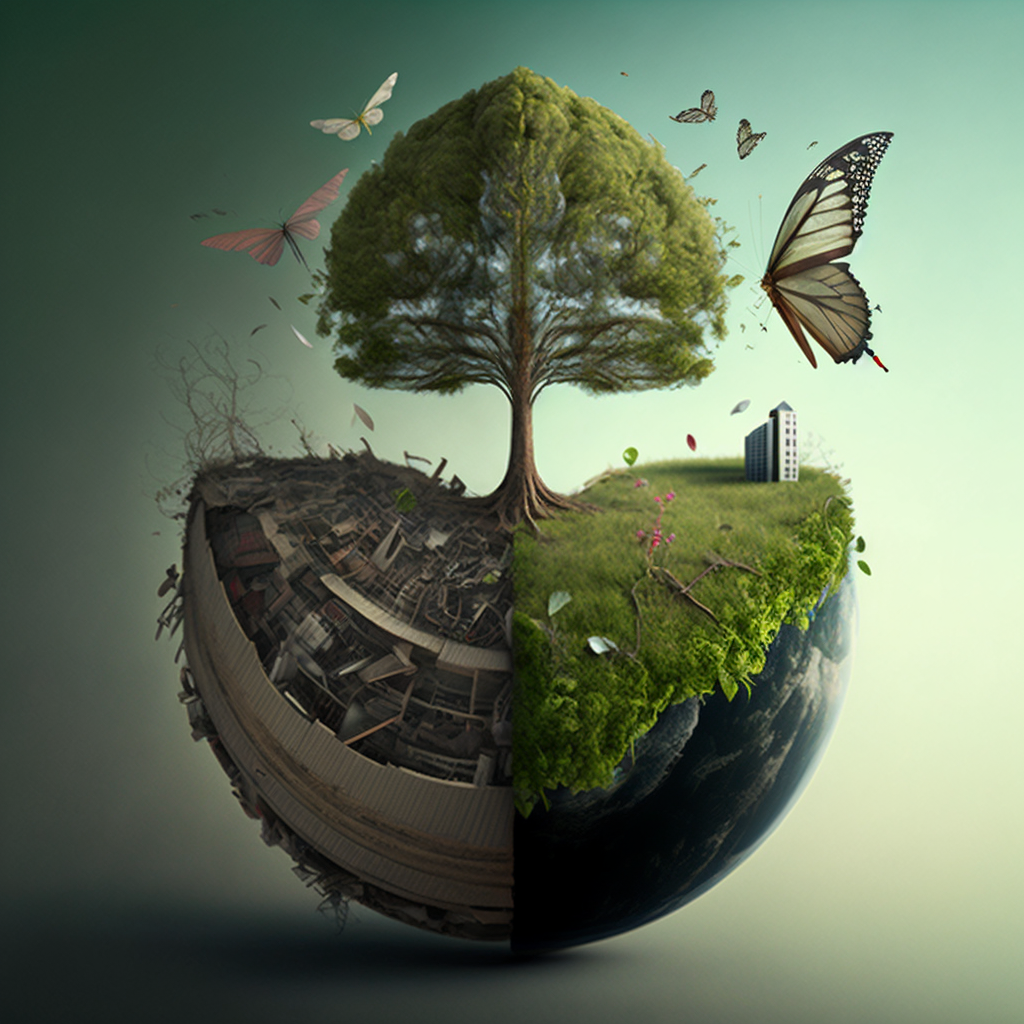
Most transformations fall short of what they set out to do. The technology usually works. What fails is the organization around it: the strategy changes, but the roles, the reporting lines, and the way work actually flows stay where they were.
Digital, agile, and sustainability programs look like three different problems. They are largely the same one. A digital program reassigns who does what. An agile program rebuilds teams around the flow of work. A sustainability strategy pushes new duties into functions that were never designed to hold them. In each case the hard part is not the tool or the target. It is redrawing the organization to deliver it.
That redrawing is where programs stall. Leaders set the new direction, then hand it to a structure built for the old one. Roles overlap, accountability blurs, and work routes around the org chart through informal favors and side meetings. Performance drops, and the transformation takes the blame for problems the design created.
Reconfig closes that gap. It builds a data-driven model of how your organization actually works: the activities people spend their time on, and the working relationships between them. It then maps that onto the formal structure. Change the structure and you see the effect at once. Move a role to another unit or merge two departments, and Reconfig recalculates a set of design indicators in real time. You see what a redesign does before anyone has to live through it.
Sustainability is the clearest case, because it has nowhere obvious to sit. A new emissions target or reporting duty rarely belongs to one existing function. It cuts across procurement, operations, product, and finance. Drop it onto the current structure and it lands on whoever has spare capacity, not whoever should own it. Model the work first, and you can place the responsibility where the real dependencies already run.
The thread through all three is the same: set the strategy, then design the organization to match it, with data rather than instinct. Most firms still do the second part by moving boxes around on a slide. We replace the guesswork with a model you can test.
If you are about to start a digital, agile, or sustainability program, begin with the organization that has to deliver it. Book a demo, and we will show you what your operating model looks like before you change a thing.