Rework, miscommunication, overloaded decision-makers. The real causes of delay and cost overrun are organizational - and invisible to conventional planning tools. Reconfig makes them visible before they happen.
When projects are planned, they assume work flows cleanly from start to finish. In reality, people make mistakes, need to coordinate, and create rework. These costs - invisible on a Gantt chart - are what separate the plan from what actually gets delivered.
Reconfig makes them visible. Before the project starts.
Gantt charts and PERT diagrams treat schedule risk as time uncertainty in individual tasks. Reconfig models the human and organizational dynamics that actually drive overrun - the rework loops, coordination failures, and decision bottlenecks conventional tools assume away.
We build a series of increasingly realistic simulations of your project organization. The gap between them becomes your business case.
All activities run with perfect execution - no rework, no coordination delays. The theoretical best case. Establishes the lower bound on duration and cost.
Human agents make mistakes, coordinate imperfectly, and create rework. This is what your project actually looks like - delays, overruns, and quality risk included.
AI agents absorb automation potential identified by Reconfig. Rework decreases. Coordination improves. The gap between plan and execution closes significantly.
The difference between Model 2 and Model 3 is your business case: cost savings, schedule reduction, and quality improvement - calculated from your project data.
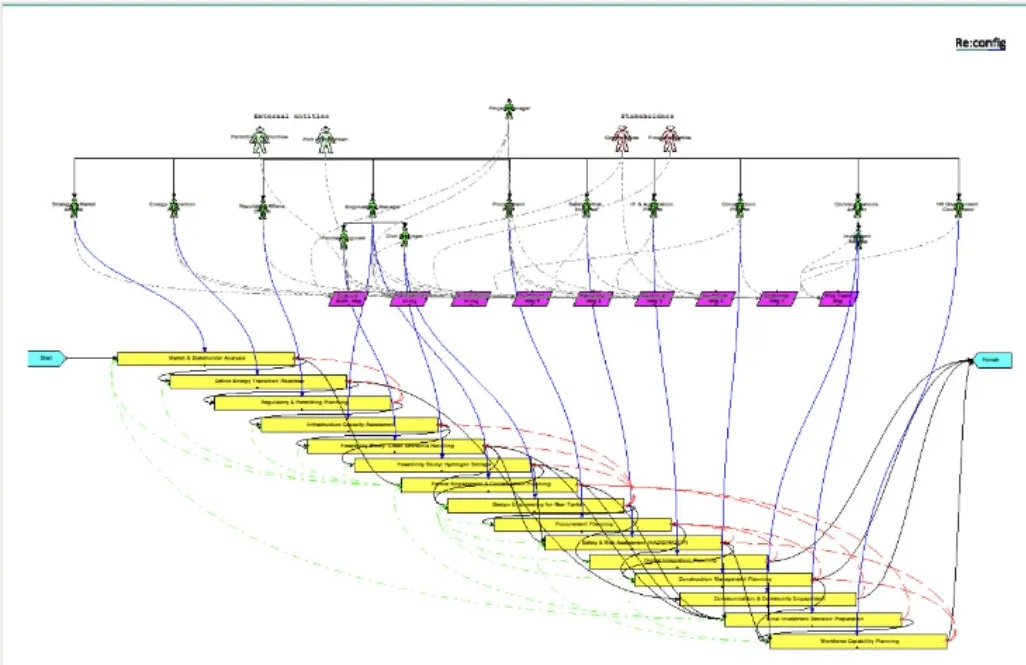
Green Fuels Innovation Programme, Rotterdam (hypothetical case). Tasks (yellow), precedence links (black), communication links (blue), and rework loops (red/green) are modeled simultaneously. The complexity visible here is what conventional planning tools assume away - and where most project overruns originate.
Industry results from project organization simulation - modeling the same approach we apply, validated across mining, heavy industry, space and shipbuilding programmes.
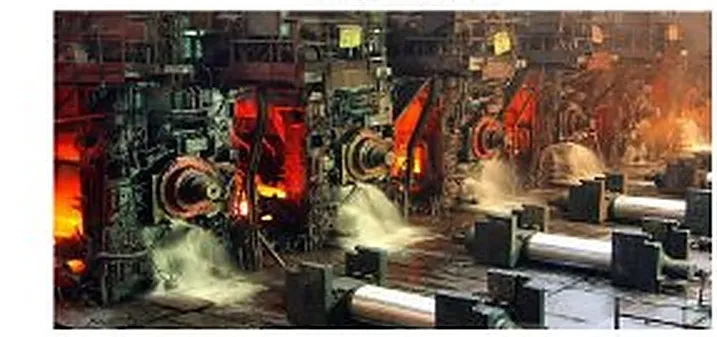
Maintenance downtime for a steel mill facility reduced from over four weeks to less than two days - through simulation-driven redesign of the maintenance organization.
CapEx reduction achieved on a $20 billion onshore LNG project encompassing 530 kilometres of pipelines and large-scale automation - by optimizing the project organization before construction began.
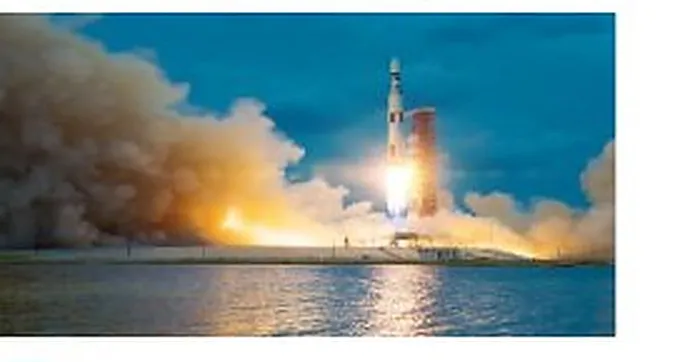
Construction time for the NASA Ares rocket carrier reduced by 12 months through project organization simulation and redesign prior to programme launch.
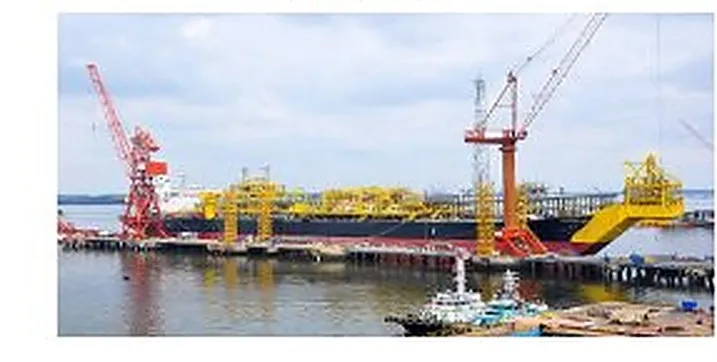
A six-month delay in a $1 billion Floating Production Storage Offshore vessel conversion was predicted four years in advance - with accuracy exceeding 90% - allowing the client to restructure the programme before the delay materialised.
Every engagement is scoped to the specific programme - its scale, complexity, phase, and risk profile. We work with project directors from early design through execution.
Our professional services team works alongside your programme leadership to build the models, interpret the results, and translate findings into structural decisions your organization can act on.
All engagements are scoped to your programme. Pricing reflects scale, complexity, and phase of involvement.
Target operating model for the project - roles, responsibilities, governance, and AI/human work division - simulated before the programme begins.
Realistic modeling of coordination failure, rework loops, and communication risk - with quantified impact on schedule and cost.
Identification of automation potential by role and activity, with a simulated business case showing the schedule and cost impact of AI augmentation.
Scenario comparison, milestone tracking, and executive dashboards - designed for project directors and programme boards.
Tell us about your programme. We typically scope an initial conversation around scale, phase, and the specific risks you're tracking.